The Ultimate Guide to Hot Water Tank Maintenance

Introduction to Hot Water Tank Maintenance
Proper maintenance of your hot water tank is crucial for ensuring its longevity and efficiency. Regular upkeep can prevent costly repairs and unexpected failures. In this guide, we’ll cover everything you need to know to keep your hot water tank in top shape.
Understanding Your Hot Water Tank
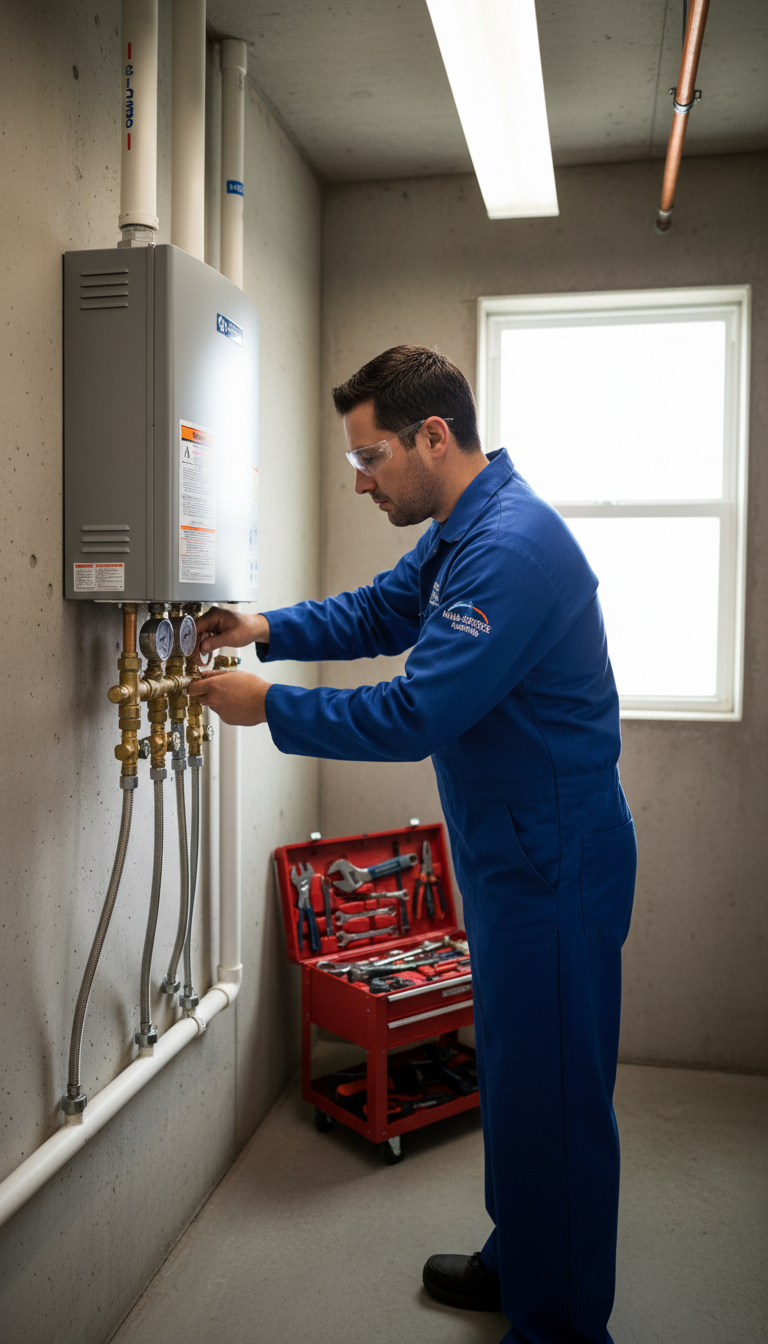
Before diving into maintenance, it’s essential to understand the components of your hot water tank. Most tanks consist of an inner lining, insulation, a thermostat, and a heating element. Familiarize yourself with these parts to better understand the maintenance process.
Knowing the type of hot water tank you have—whether it's electric, gas, or tankless—will also influence your maintenance routine. Each type has specific needs and potential issues to watch for.
Regular Inspection
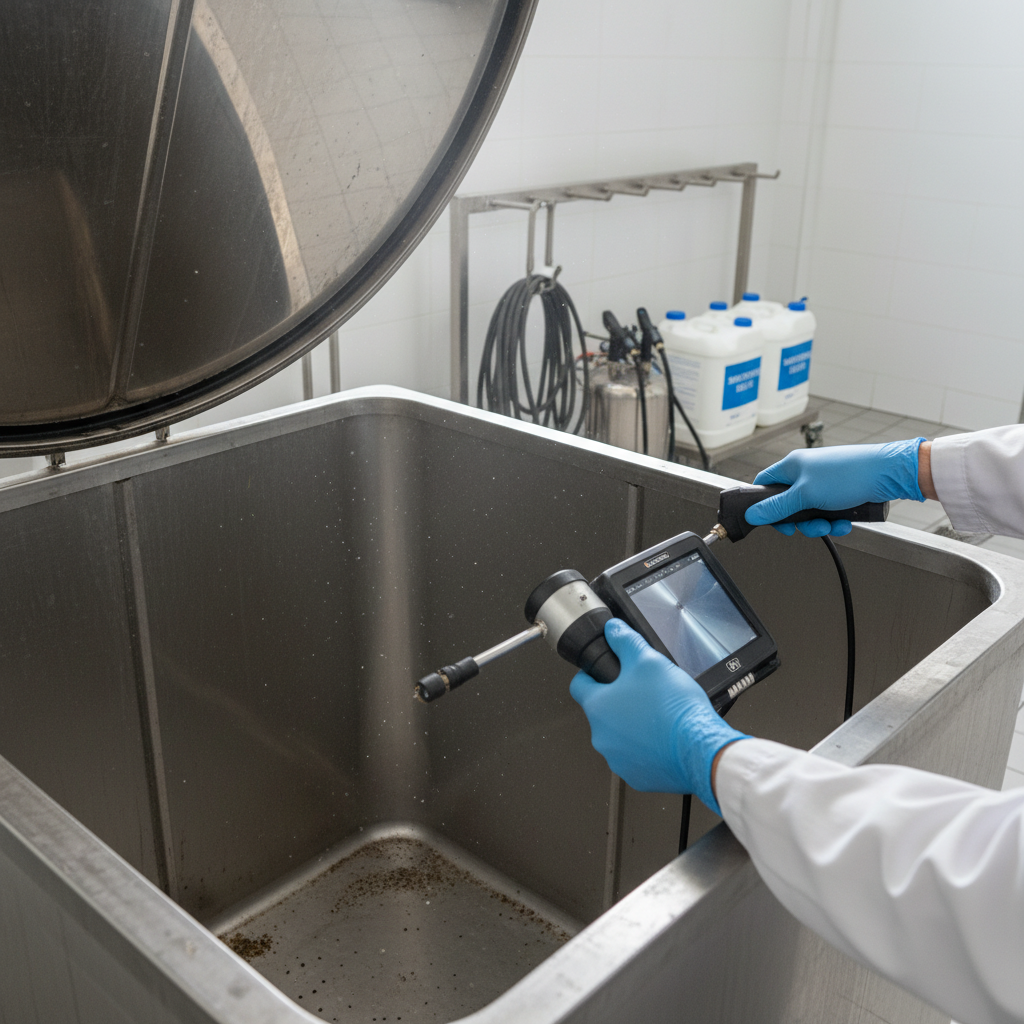
Conducting regular inspections is a fundamental part of hot water tank maintenance. Look for signs of rust, leaks, or unusual noises coming from the tank. Catching these issues early can save you from more significant problems down the line.
Check the pressure relief valve annually. This valve is a critical safety feature designed to release pressure if it becomes too high. Lift the valve’s lever and let it snap back. If water doesn’t exit the overflow pipe, it may need replacing.
Flushing the Tank
Flushing your hot water tank is vital to remove sediment build-up. Sediment can cause corrosion and reduce efficiency. To flush the tank, attach a hose to the drain valve and let the water run until it’s clear. Doing this once a year is typically sufficient.
- Turn off the tank’s power or gas supply.
- Connect a garden hose to the drain valve.
- Open the drain valve and let the tank empty.
- Close the valve and refill the tank before turning the power back on.
Checking the Anode Rod
The anode rod is a crucial component that prevents rust inside the tank. It attracts corrosive elements, protecting the tank lining. Inspect the anode rod every two to three years and replace it if it’s less than half an inch thick or coated in calcium.
Insulating the Tank
Insulating your hot water tank can improve its efficiency by reducing heat loss. Use a fiberglass insulation blanket to wrap around the tank, but ensure you don’t cover the thermostat or burner access. This simple step can save energy and money.
Additionally, consider insulating exposed pipes to maintain the desired water temperature as it travels from the tank to your taps.
Adjusting the Temperature
Setting your hot water tank to the right temperature is essential for safety and efficiency. The recommended setting is typically around 120 degrees Fahrenheit. This temperature minimizes the risk of scalding while providing sufficient hot water.
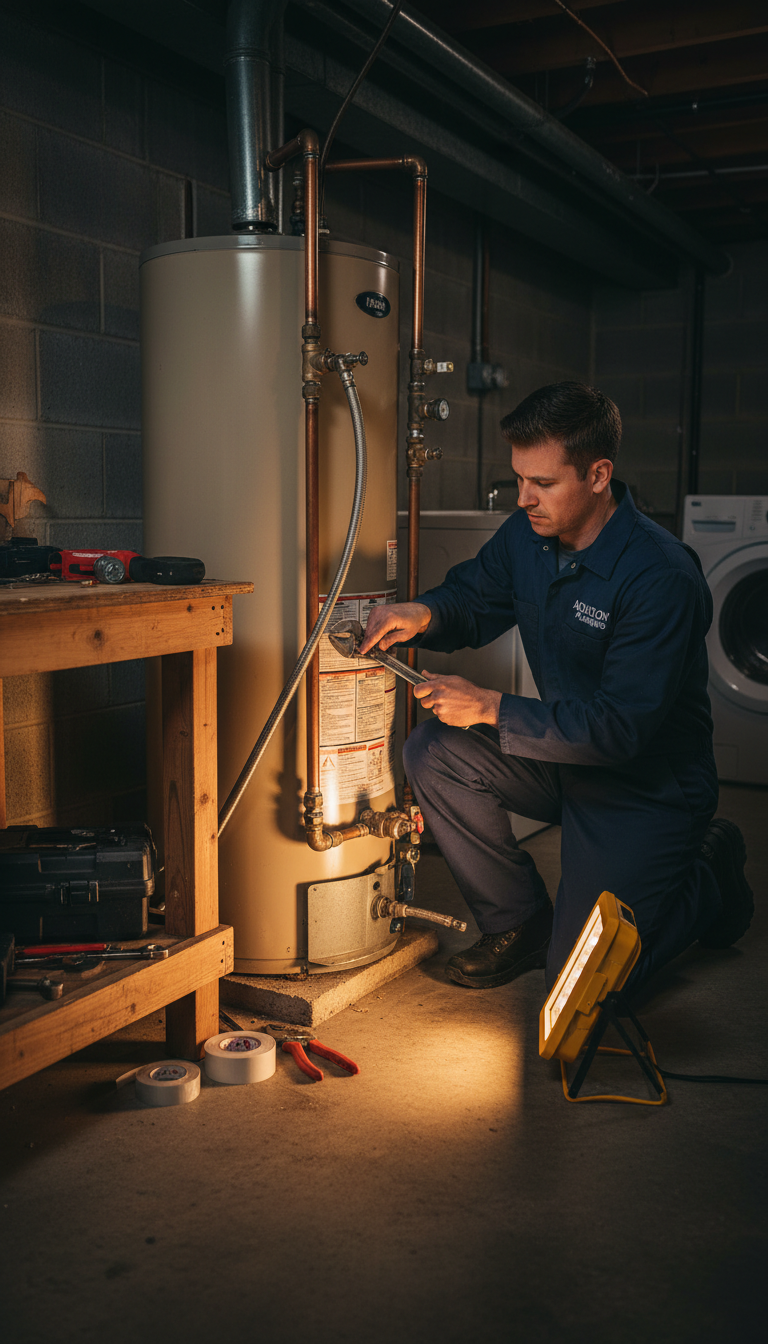
If you’re leaving for an extended period, consider setting the tank to the “vacation” or “pilot” mode to save energy.
Conclusion
By following these maintenance tips, you can extend the life of your hot water tank and ensure it operates efficiently. Regular maintenance not only saves money but also provides peace of mind, knowing your hot water supply is reliable.
Remember, if you encounter any issues beyond basic maintenance, it’s always best to consult a professional to avoid any potential hazards.