Signs Your Hot Water Tank Needs Replacement: A Canadian Homeowner’s Guide


As a Canadian homeowner, knowing when to replace your hot water tank is crucial to maintaining a comfortable and efficient living environment. While these tanks are built to last, they are not immune to wear and tear. Understanding the signs that indicate a replacement is due can save you from unexpected cold showers and costly repairs.
Age of the Hot Water Tank
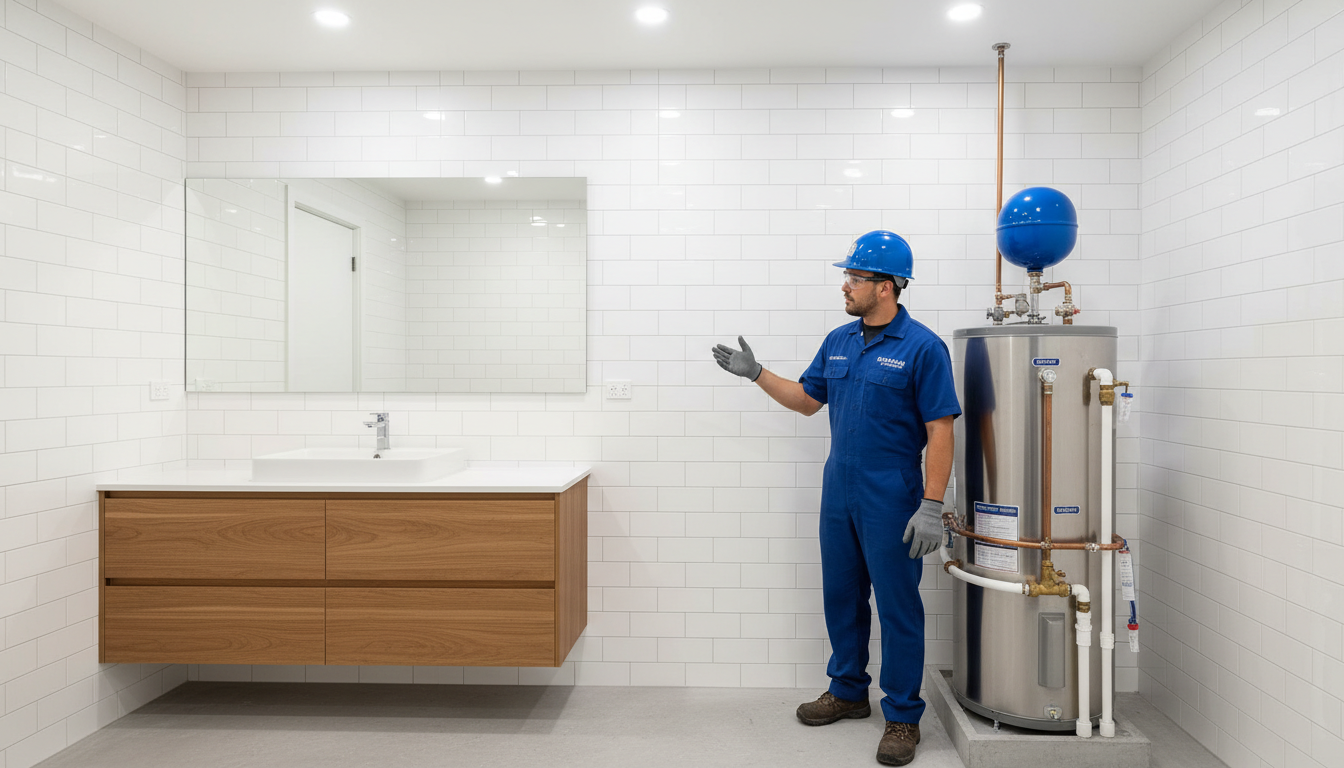
One of the first indicators that your hot water tank may need replacing is its age. Most tanks have a lifespan of 8 to 12 years. If your tank is approaching or has surpassed this age range, it's wise to start considering a replacement. Older tanks are more prone to leaks and inefficiencies.
Checking the Serial Number
You can determine the age of your hot water tank by checking its serial number, usually located on the manufacturer’s label. The first two numbers often represent the year of manufacture. If your tank is aging, proactive replacement can prevent potential issues.

Signs of Rust and Corrosion
Rust and corrosion are clear indicators that your hot water tank may be failing. Check the outside of the tank and the water itself. If you notice rusty water coming from your taps, it could mean the tank is corroding from the inside out. Once rust sets in, the structural integrity of the tank is compromised, necessitating replacement.
Inspecting for Leaks
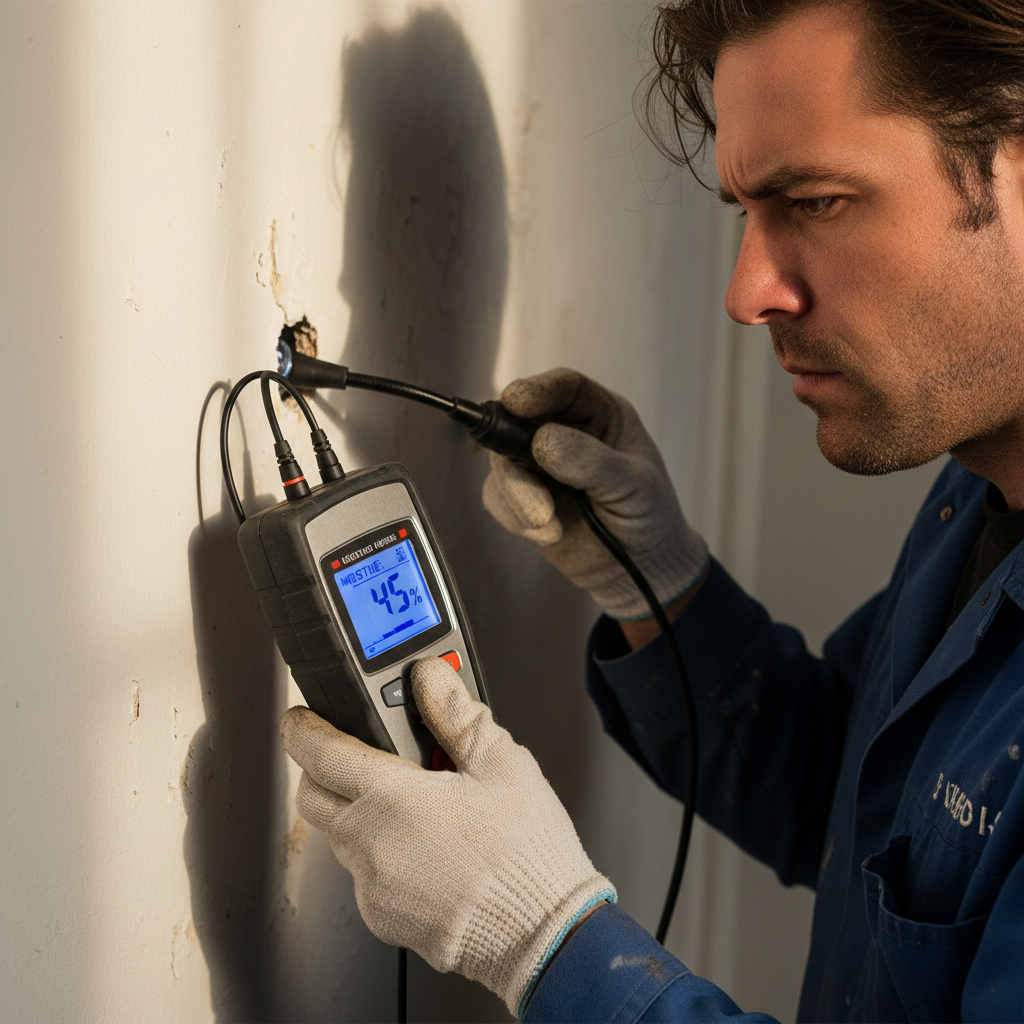
Leaks are a sure sign that your hot water tank is on its way out. Regularly inspect the area around the tank for water pooling or dampness. Even small leaks can escalate into significant water damage if not addressed promptly.
Inconsistent Water Temperature
If you experience fluctuating water temperatures, it could be a sign that your hot water tank is struggling. This inconsistency often results from a failing heating element or sediment build-up inside the tank. While some issues can be repaired, frequent problems may indicate it’s time for a new tank.
Strange Noises from the Tank
Unusual noises, such as popping or banging sounds, coming from your hot water tank can be alarming. These noises are typically caused by sediment build-up at the bottom of the tank, which hardens over time and impacts efficiency. If flushing the tank doesn’t resolve the issue, a replacement might be necessary.
Rising Energy Bills
An unexpected increase in your energy bills could mean your hot water tank is no longer operating efficiently. As tanks age, they work harder to heat water, using more energy in the process. By replacing an old tank with a more efficient model, you can reduce your energy consumption and save money over time.
By keeping an eye out for these signs, Canadian homeowners can ensure their hot water tanks are functioning optimally. Regular maintenance and timely replacements are key to enjoying reliable hot water throughout the year.