How to Choose the Right Hot Water Tank: A Plumber's Guide for BC Residents


Understanding Your Hot Water Needs
Choosing the right hot water tank is crucial for comfort and energy efficiency. In British Columbia, where the climate can vary significantly, selecting a suitable tank is even more important. The first step is to assess your household's hot water needs. Consider the number of people in your home and typical water usage patterns.

For a family of four, a tank with a capacity of 40 to 50 gallons is usually sufficient. However, if you have a larger family or higher demand, you may need a tank with a greater capacity. It’s also important to think about the peak times for water usage in your household.
Types of Hot Water Tanks
There are several types of hot water tanks to consider, each with its own advantages. The most common types include traditional storage tanks, tankless water heaters, and hybrid models.
- Storage Tanks: These are the most common and hold a reservoir of hot water.
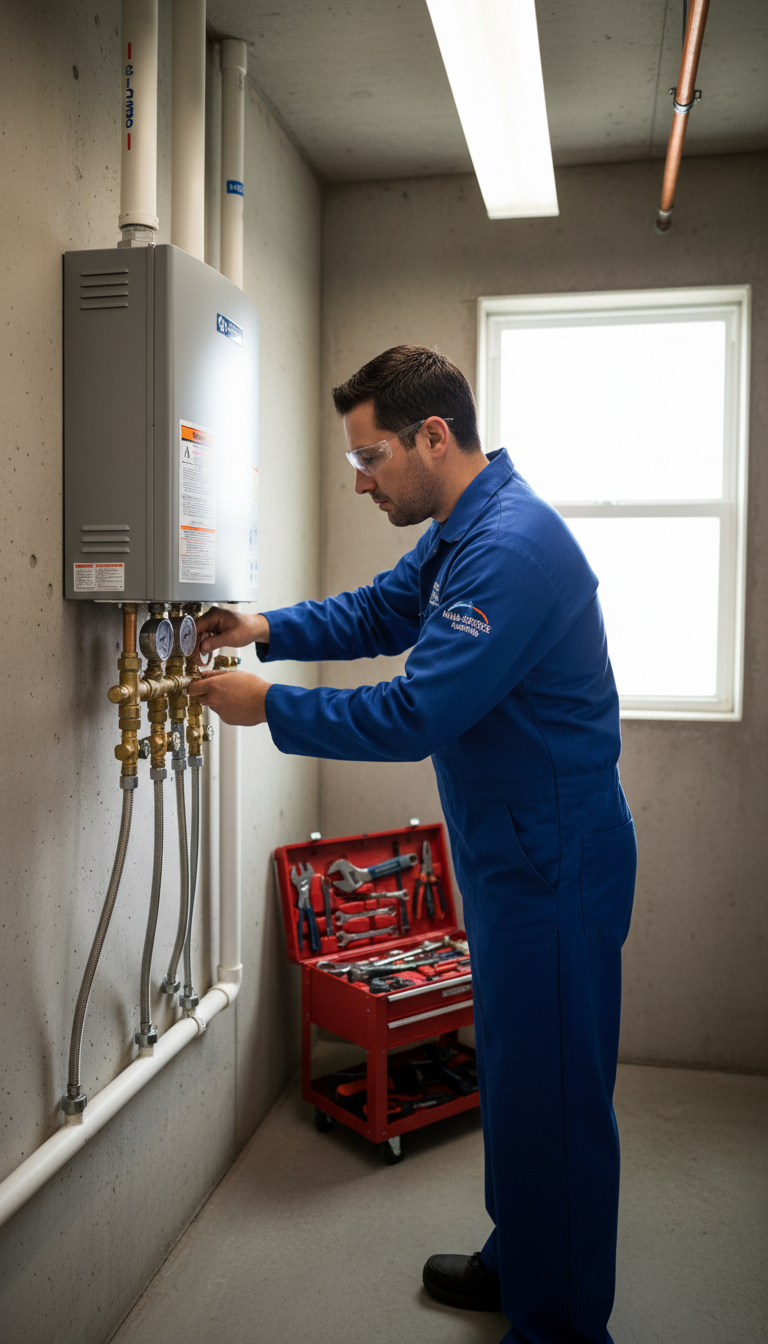
- Tankless Water Heaters: These provide hot water on demand, which can be more energy-efficient.
- Hybrid Models: These combine features of both storage and tankless systems, offering efficiency and convenience.
Energy Efficiency Considerations
Energy efficiency is a crucial factor when choosing a hot water tank. Look for models with high Energy Factor (EF) ratings, which indicate better efficiency. In BC, where energy costs can be high, an efficient system can lead to significant savings.
Consider tanks with additional insulation, as this can help maintain the water temperature longer, reducing the amount of energy needed to keep it hot. Additionally, consider the fuel type, as natural gas models may offer savings over electric ones, depending on local utility rates.
Installation and Maintenance
Proper installation is key to ensuring your hot water tank functions efficiently. Hiring a certified plumber is recommended to ensure compliance with local codes and standards. They can also advise on the best location for the tank to minimize heat loss.

Regular maintenance, such as flushing the tank and checking the anode rod, can extend the life of your hot water tank. A well-maintained tank not only lasts longer but also runs more efficiently, saving you money in the long run.
Environmental Impact and Incentives
Choosing an environmentally friendly hot water tank not only benefits the planet but can also offer financial incentives. In BC, there are often rebates and incentives available for upgrading to energy-efficient appliances.
Check with local utility providers or government programs for potential savings. Opting for a greener model can reduce your carbon footprint and may qualify you for these benefits.
Final Thoughts
Selecting the right hot water tank for your home involves assessing your needs, understanding the types available, and considering energy efficiency. By taking these factors into account, BC residents can find a solution that meets their needs and budget.
Consulting with a professional plumber can provide additional insights and ensure that your system is installed correctly, maximizing its lifespan and performance. Making an informed choice now can lead to comfort and savings for years to come.