Hot Water Tanks: Repair or Replace? A Comprehensive Guide

Deciding whether to repair or replace your hot water tank can be a daunting task. With various factors to consider, it's essential to weigh the pros and cons carefully. In this guide, we'll help you make an informed decision for your home and budget.
Understanding the Lifespan of a Hot Water Tank
Most hot water tanks have a lifespan of around 8 to 12 years. However, this can vary based on factors such as maintenance, water quality, and usage. Regular maintenance can extend the life of your tank, but eventually, replacement may become necessary.
To determine whether your tank is nearing the end of its life, look for signs of wear and tear, rust, and leaks. These issues can indicate that your tank is aging and may need replacement soon.
Signs You Should Repair
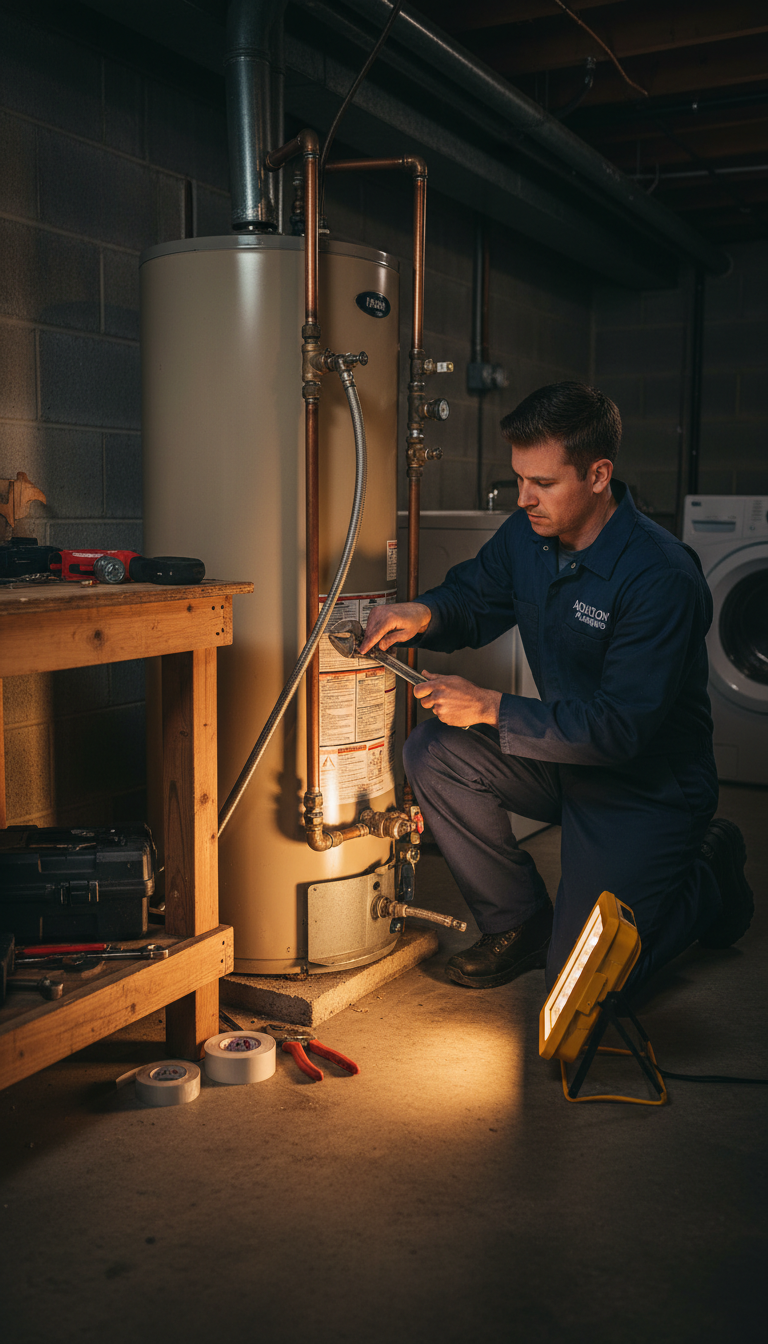
In some cases, repairing your hot water tank is a viable option. Consider repairs if:
- The issue is minor, such as a faulty thermostat or heating element.
- The tank is relatively new and still under warranty.
- The cost of repair is significantly less than replacement.
Repairing can be a cost-effective solution, but it's important to ensure that the problem isn't a symptom of a more significant issue.
When to Replace Your Hot Water Tank
Replacement is often the best option when:
- The tank is over 10 years old.
- There are frequent repairs needed.
- There's noticeable rust or corrosion.
- The tank leaks consistently.
Replacing your tank can save money in the long run by improving efficiency and reducing the likelihood of future repairs.
Cost Considerations
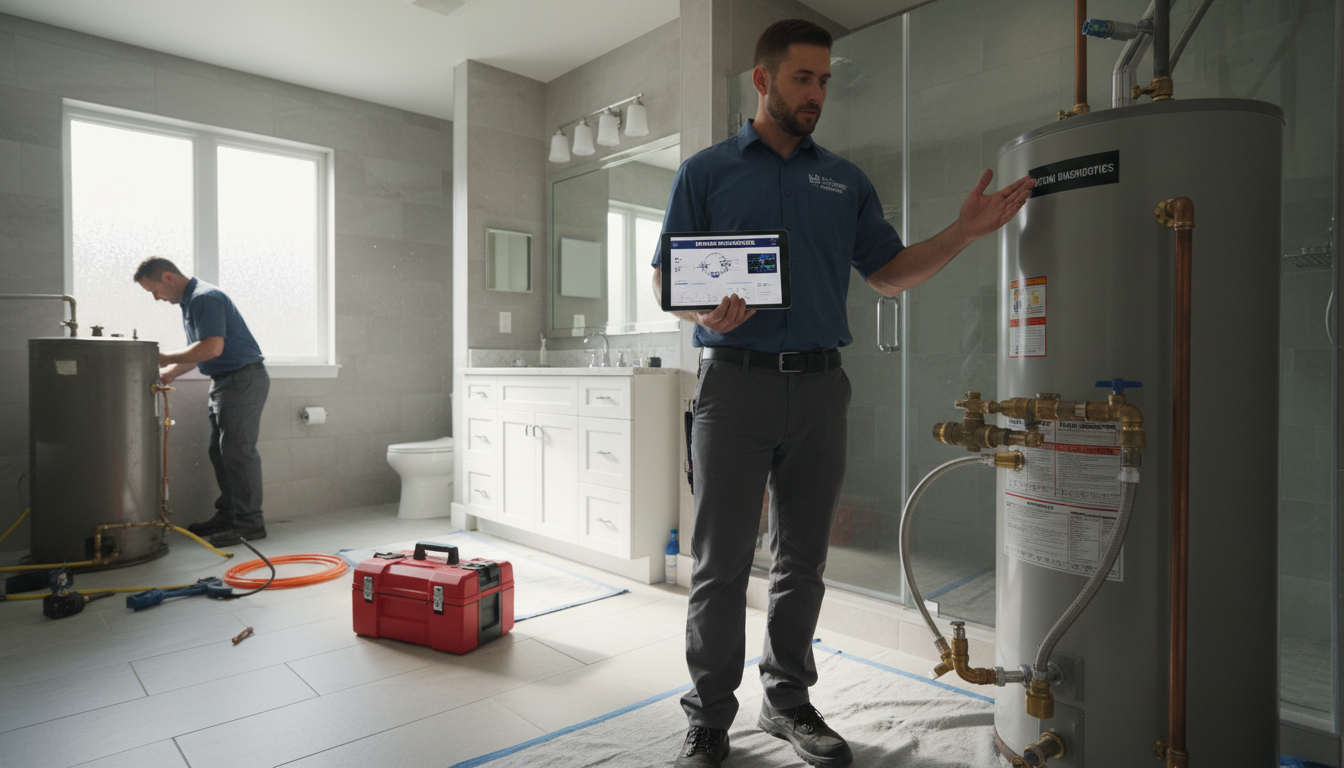
Both repair and replacement come with costs. Repairing can be less expensive upfront, but repeated repairs can add up. A new hot water tank can be a significant investment, but it may offer better efficiency and fewer issues over time.
Consider the energy efficiency of newer models, which can lead to savings on your utility bills. Additionally, some local utilities offer rebates for upgrading to more energy-efficient systems.
Environmental Impact
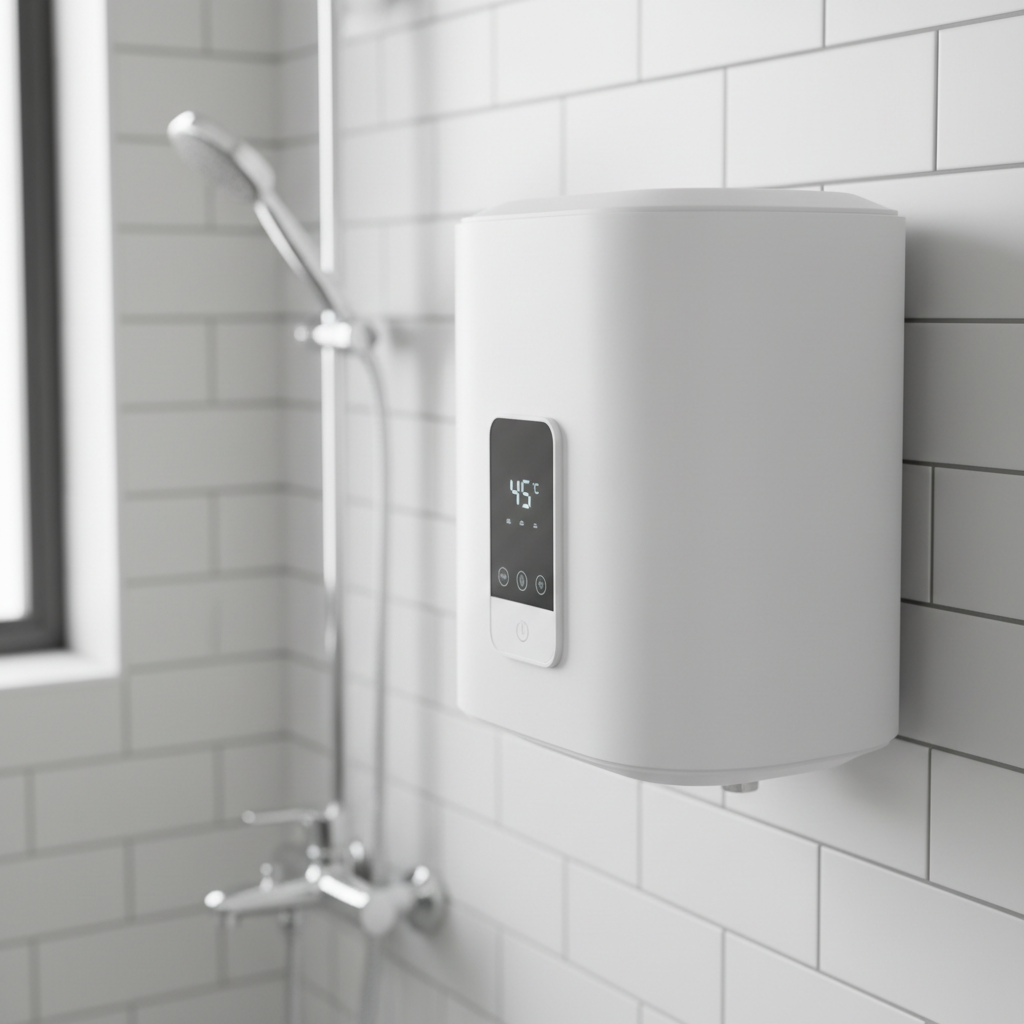
Replacing an old, inefficient hot water tank with a new, energy-efficient model can significantly reduce your home's environmental footprint. Newer models often use less energy and water, contributing to a more sustainable household.
Conclusion
Deciding between repairing or replacing your hot water tank depends on several factors, including age, condition, and cost. By assessing the situation carefully, you can make a choice that aligns with your needs and budget. Whether you opt for repair or replacement, ensuring your hot water system is in optimal condition is essential for comfort and efficiency.