Expert Tips for Installing a New Hot Water Tank


Understanding Your Hot Water Tank Options
Choosing the right hot water tank is the first step in ensuring a successful installation. There are several types of tanks available, including traditional tank storage, tankless, and hybrid models. Each has its own advantages depending on your household needs and budget.
Traditional tank storage heaters are often the most economical choice, while tankless models provide hot water on demand and can be more energy-efficient. Hybrid models combine the benefits of both, offering efficiency and reliability.
Preparing for Installation
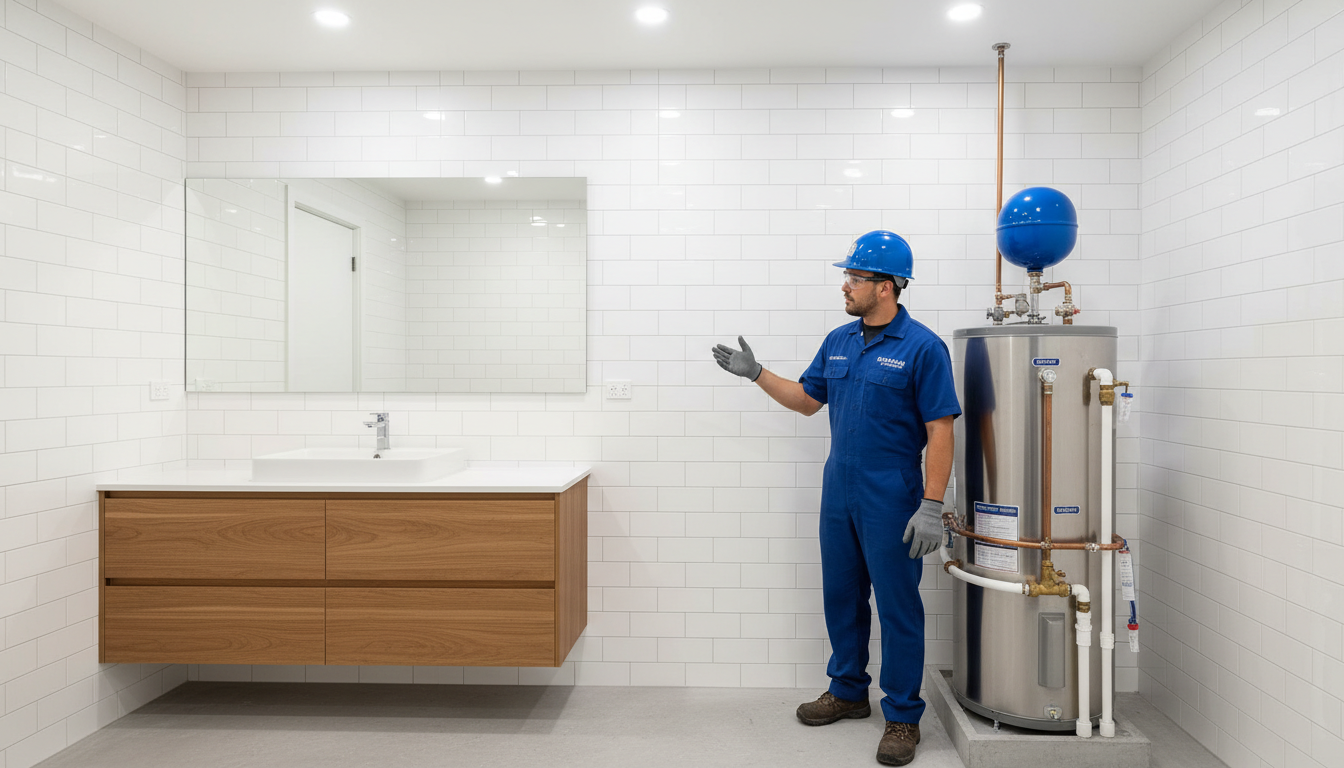
Before beginning the installation process, ensure you have all the necessary tools and materials. This typically includes a wrench, screwdriver, pipe cutter, tape measure, and plumbing tape. You’ll also want to ensure you have the correct fittings and connections for your specific tank model.
Safety first: Always turn off the electricity or gas supply and water supply before starting any work. This will prevent accidents and ensure a smoother installation process.
Removing the Old Tank
The first step in installing a new hot water tank is removing the old one. Begin by draining the tank. Attach a garden hose to the drain valve and lead it to a suitable drainage area, then open the valve to let the water out.
Once drained, disconnect the water and power supply lines. Carefully move the old tank out of the way, ensuring you have help if needed, as these tanks can be heavy and awkward to handle.
Installing the New Tank
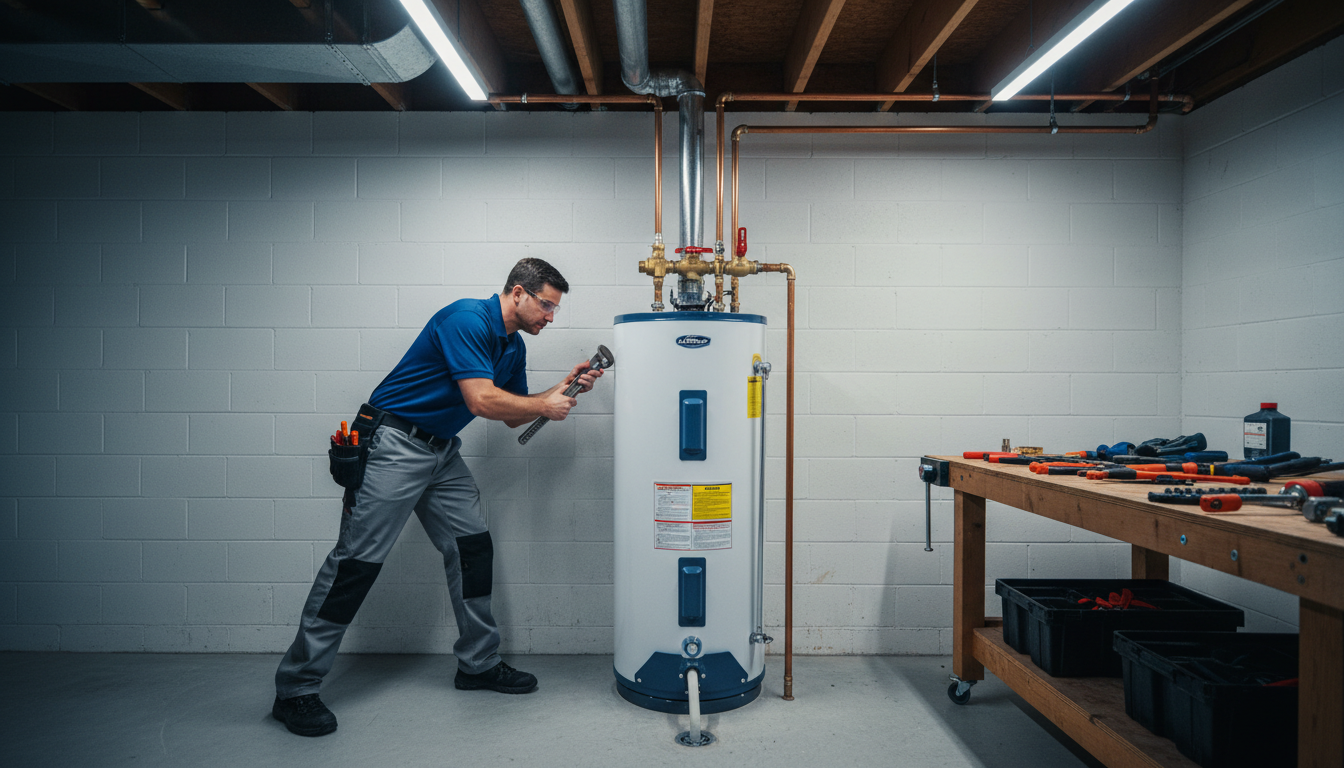
Position the new tank in place, making sure it is level and stable. Connect the water supply lines first, followed by the power supply. Use plumbing tape on threaded connections to prevent leaks. Double-check all connections for security.
Fill the tank with water before restoring power. This prevents damage to the heating elements. Open a hot water faucet to let air escape from the system, ensuring a smooth fill process.
Testing and Final Adjustments
After installation, it’s crucial to test the tank for proper operation. Turn on the power and set the thermostat to your desired temperature. Check for leaks at all connection points and tighten as necessary.
If you experience any issues, consult the manufacturer’s instructions or consider hiring a professional plumber. Proper installation ensures efficient performance and extends the lifespan of your hot water tank.
Maintenance Tips
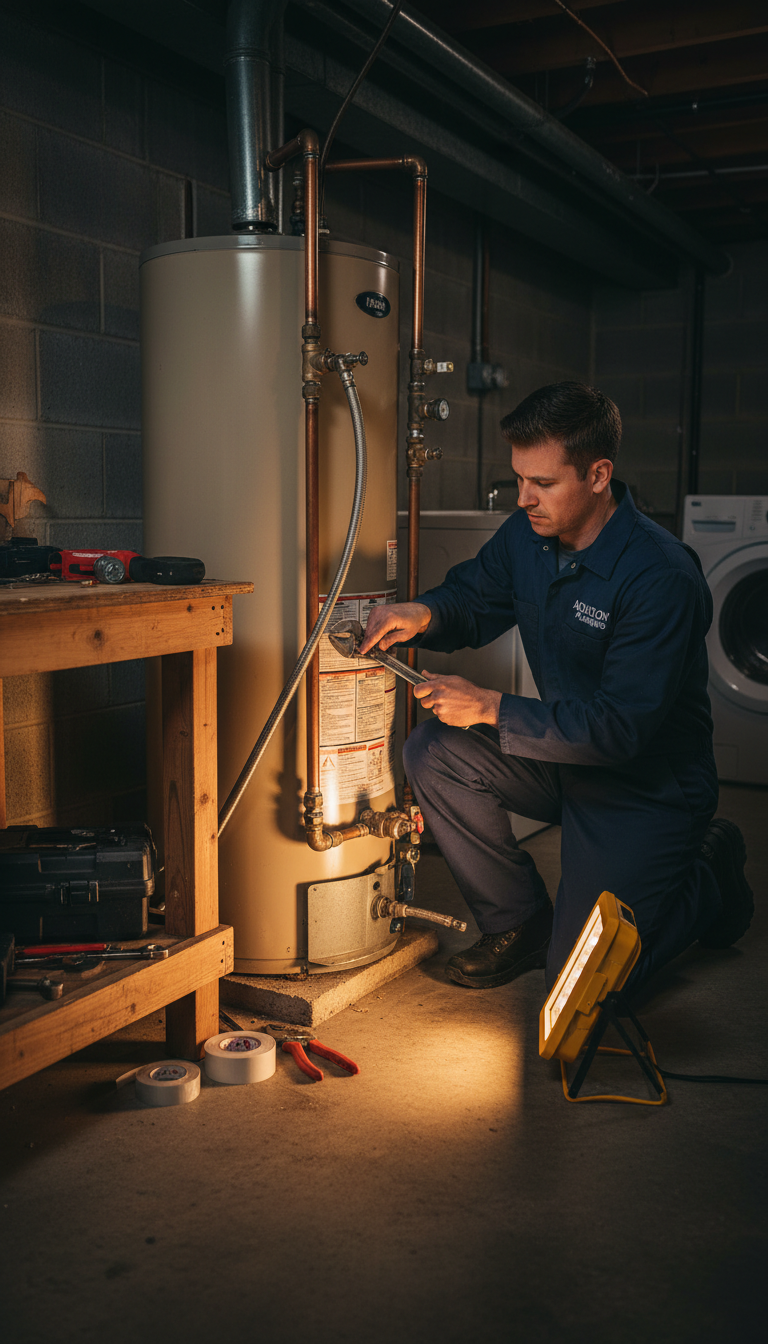
Regular maintenance can significantly enhance the longevity and efficiency of your hot water tank. Consider flushing the tank annually to remove sediment buildup, which can affect performance.
Additionally, inspect the anode rod every couple of years and replace it if necessary. This rod helps prevent corrosion inside the tank, protecting your investment over time.
Conclusion
Installing a new hot water tank can be a straightforward process with the right preparation and tools. By following these expert tips, you can ensure a safe and successful installation, providing your home with reliable hot water for years to come.
Remember, when in doubt, seeking professional assistance is always a wise choice to ensure everything is installed correctly and safely.