Expert Advice: Understanding Your Home's Water Pressure

What Is Water Pressure?
Water pressure refers to the force exerted by water as it moves through your home's plumbing system. It's measured in pounds per square inch (PSI) and affects everything from shower performance to the efficiency of appliances. Understanding your home's water pressure is crucial for maintaining a comfortable and efficient living environment.
Why Is Water Pressure Important?
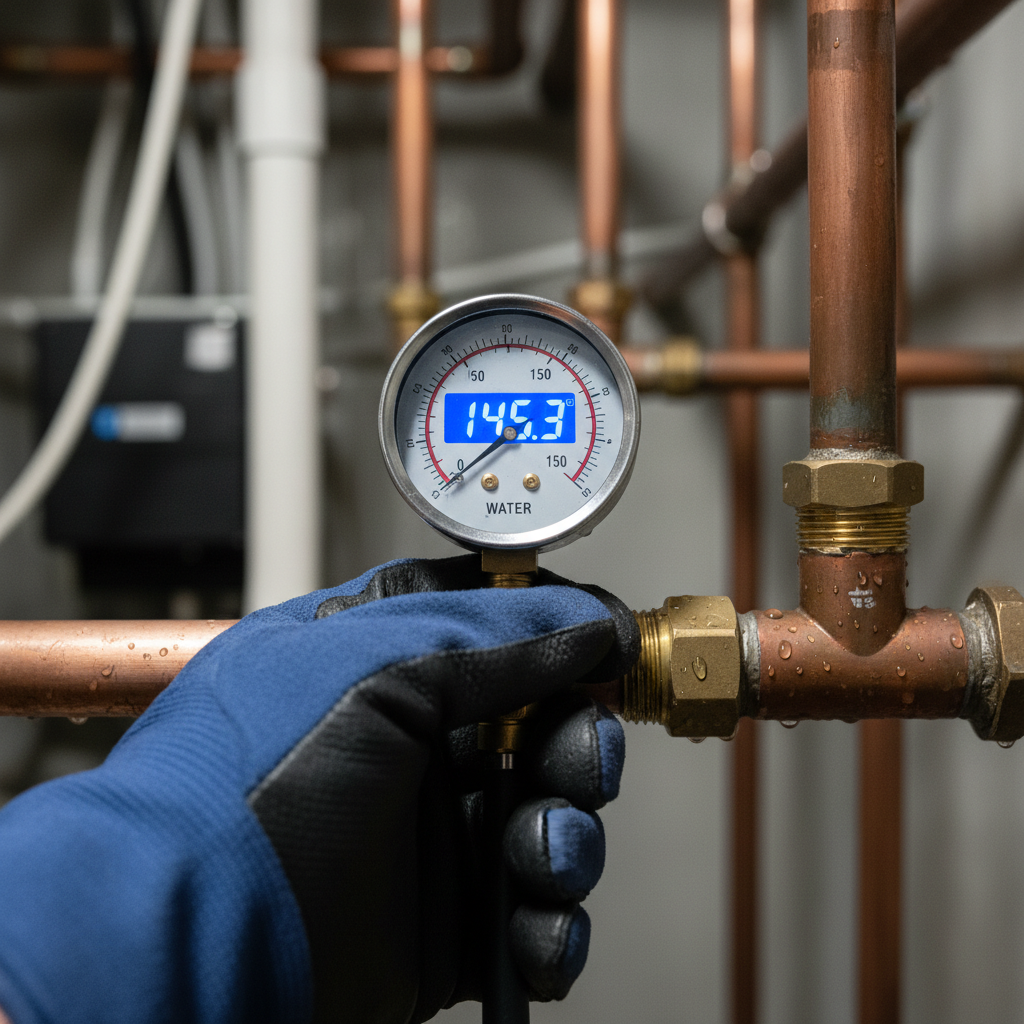
Having the right water pressure is essential for various reasons. Too high pressure can cause damage to pipes and appliances, leading to costly repairs. On the other hand, low pressure can be frustrating, affecting shower performance and the efficiency of dishwashers and washing machines. Striking the right balance ensures optimal performance and longevity of your plumbing system.
Common Causes of Water Pressure Issues
Several factors can affect your home's water pressure. Identifying these causes can help in troubleshooting and resolving any issues. Here are some common culprits:
- Clogged Pipes: Over time, mineral deposits and debris can accumulate in pipes, restricting water flow.
- Faulty Pressure Regulator: This device controls the pressure entering your home. If it's malfunctioning, pressure levels may become uneven.
- Leaking Pipes: Undetected leaks can reduce water pressure significantly, leading to inefficiencies.
How to Measure Water Pressure
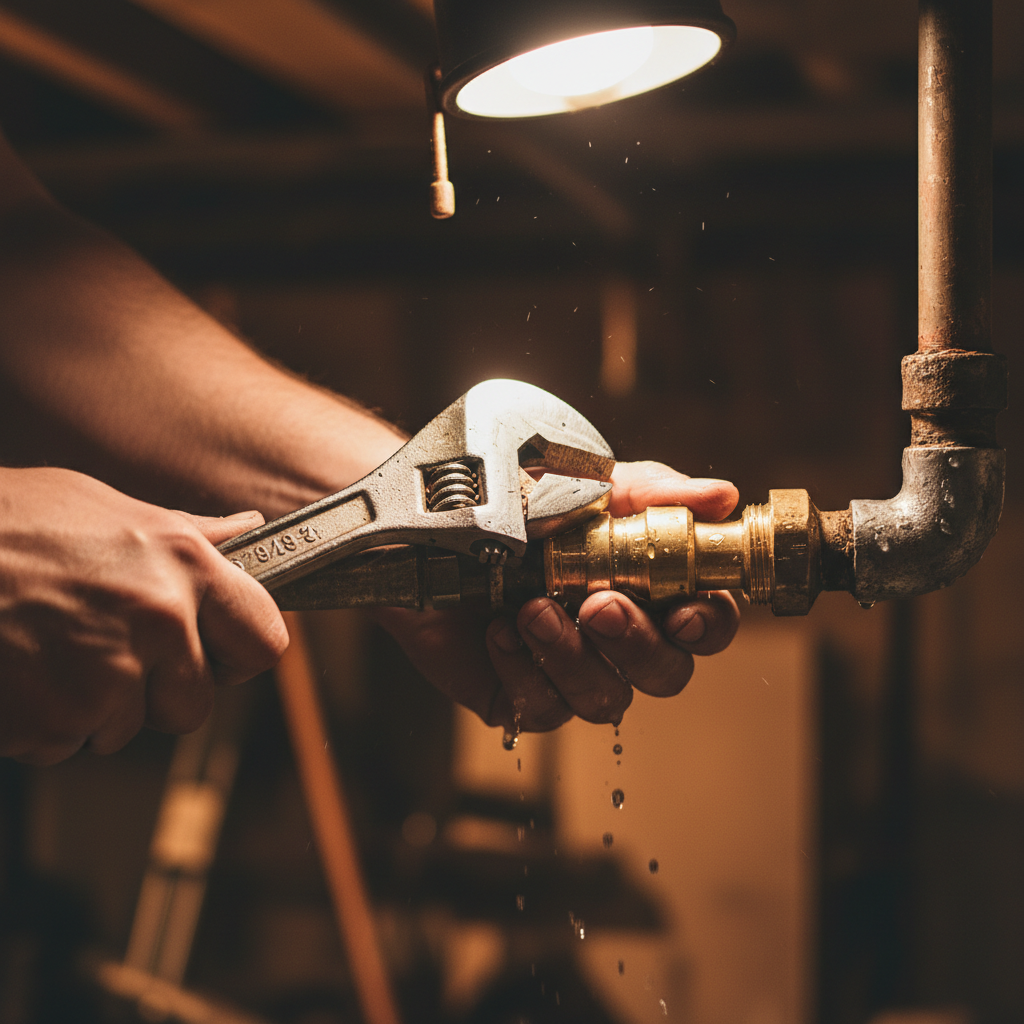
Measuring your home's water pressure is a simple task that can be done with a pressure gauge. Attach the gauge to an outdoor faucet and turn the water on fully. The gauge will provide a reading, indicating whether your pressure is within the ideal range, typically between 40 and 60 PSI.
Solutions for Water Pressure Problems
Once you've identified a water pressure issue, there are several solutions you might consider. For clogged pipes, professional cleaning may be necessary. If the pressure regulator is at fault, replacing it might be the best option. Always consult with a professional plumber to ensure the problem is addressed correctly.
Preventative Measures
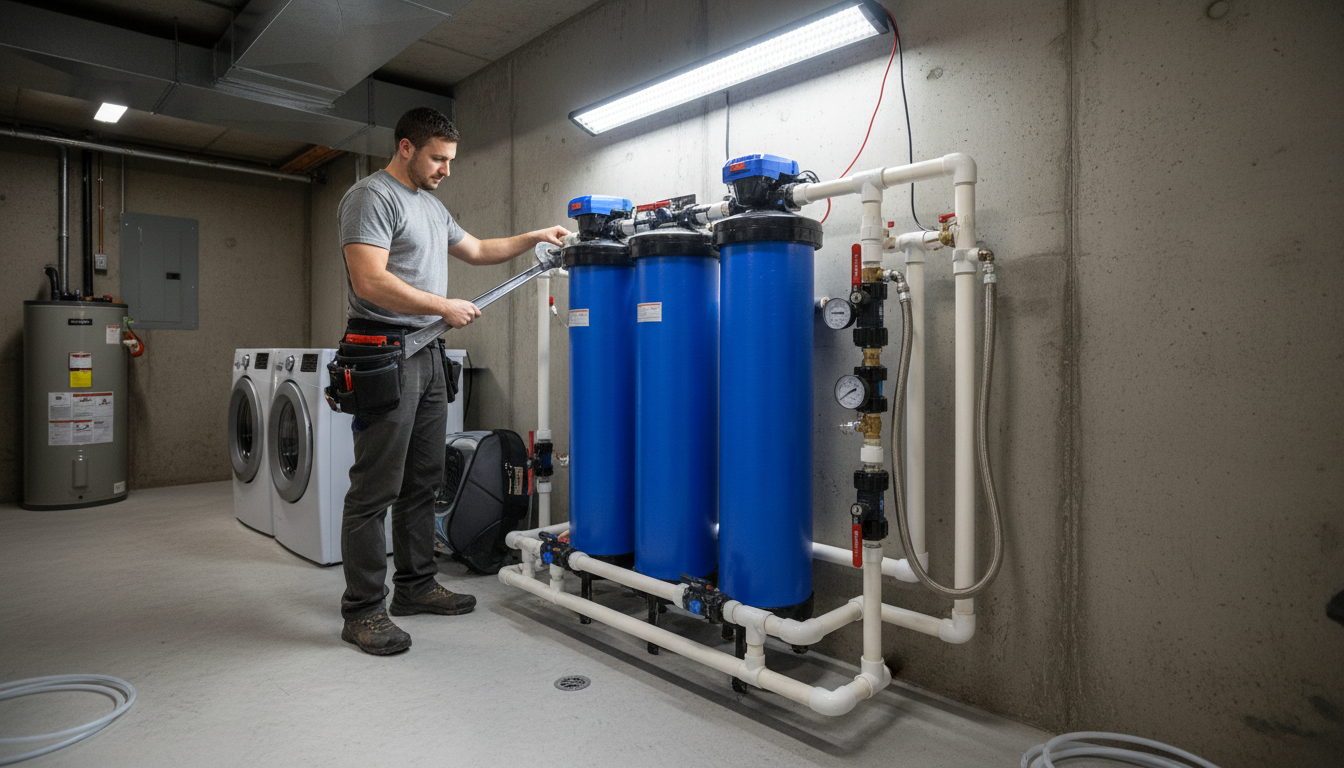
Preventing water pressure problems is easier than you might think. Regular maintenance, such as checking for leaks and ensuring the pressure regulator is functioning properly, can go a long way. Installing a water softener can also help in areas with hard water, reducing mineral buildup in pipes.
When to Call a Professional
While some water pressure issues can be resolved with DIY methods, there are times when calling a professional is necessary. If you've tried basic troubleshooting without success, or if you're experiencing sudden and severe pressure changes, it's time to seek expert advice.
Conclusion
Understanding your home's water pressure is vital for maintaining a comfortable and efficient household. By recognizing potential problems and knowing when to seek professional assistance, you can ensure your plumbing system operates smoothly. Regular maintenance and prompt attention to issues will keep your home running efficiently.