DIY Plumbing Fixes: What You Can Do and When to Call a Pro

Understanding Basic Plumbing
Plumbing issues can be daunting, but not every problem requires a professional. Understanding some basic plumbing principles can save you time and money. With a little guidance, you can tackle minor issues yourself, leaving more complex problems to the pros.
Common DIY Plumbing Fixes
There are several plumbing tasks that most homeowners can handle on their own. Here are a few common issues and their simple fixes:
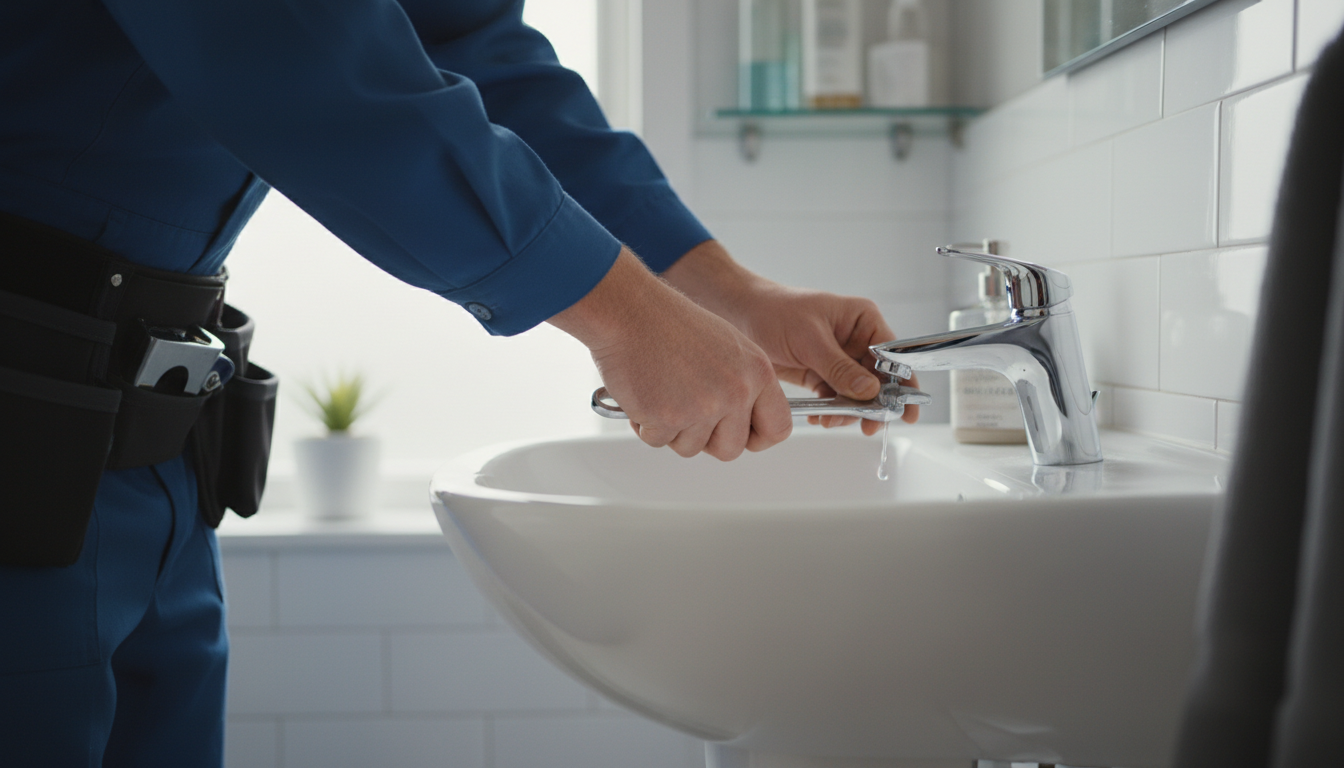
- Leaky Faucets: Often caused by worn washers or seals, a leaky faucet can be fixed by tightening or replacing these components.
- Clogged Drains: A plunger or a drain snake can usually clear minor clogs without needing to call a plumber.
- Running Toilets: This is often due to a faulty flapper or fill valve, both of which are inexpensive and easy to replace.
Tools You'll Need
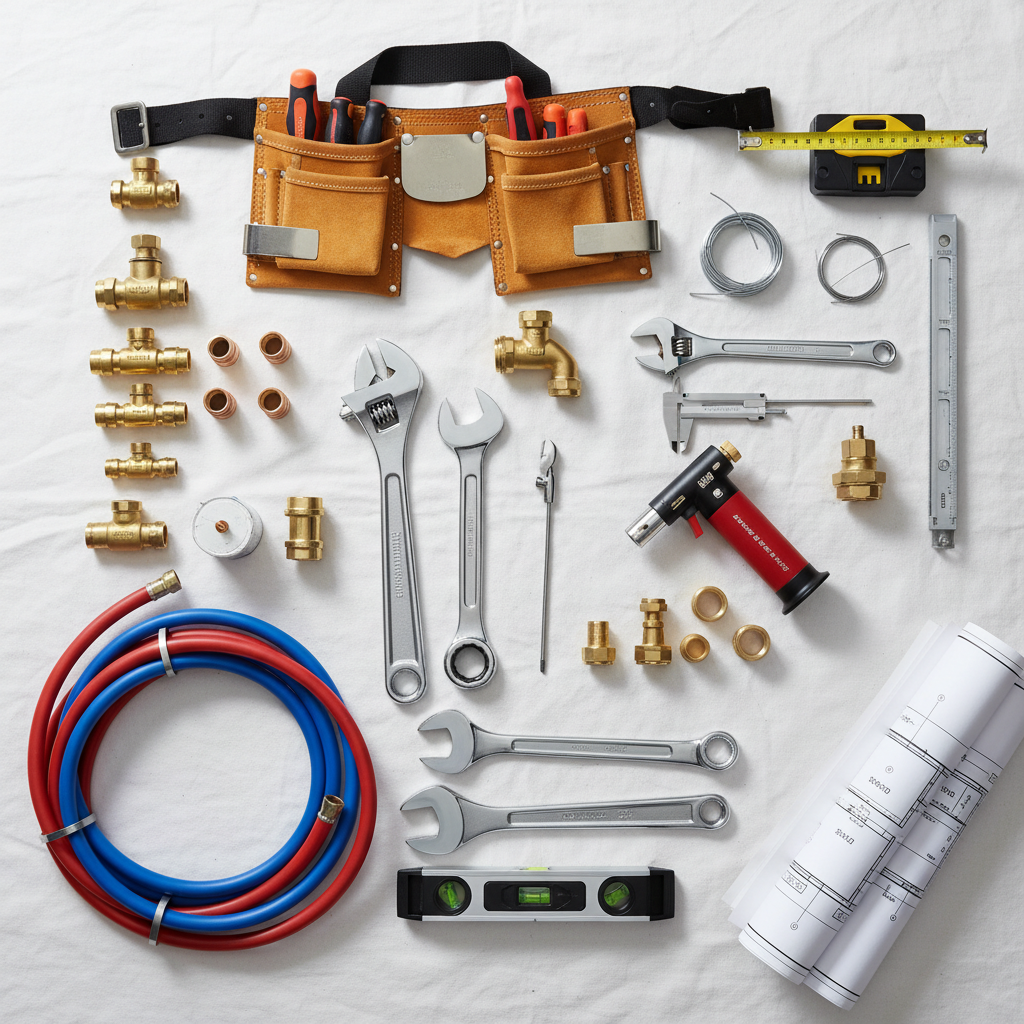
Before you start any DIY plumbing project, make sure you have the right tools on hand. Essential tools include:
- Adjustable Wrench
- Pipe Wrench
- Plunger
- Plumber’s Tape
- Drain Snake
Having these tools ready will make any repair quicker and less stressful.
When to Call a Professional
While DIY fixes can be effective, some situations require professional expertise. Here’s when you should consider calling a plumber:
- Major Leaks: If you notice a significant leak or water damage, it’s best to contact a professional immediately.
- Low Water Pressure: This can be a sign of a more serious issue, such as a hidden leak or pipe corrosion.
- Sewer Line Issues: Foul odors or frequent backups indicate a problem that needs expert attention.
Benefits of Professional Plumbing Services
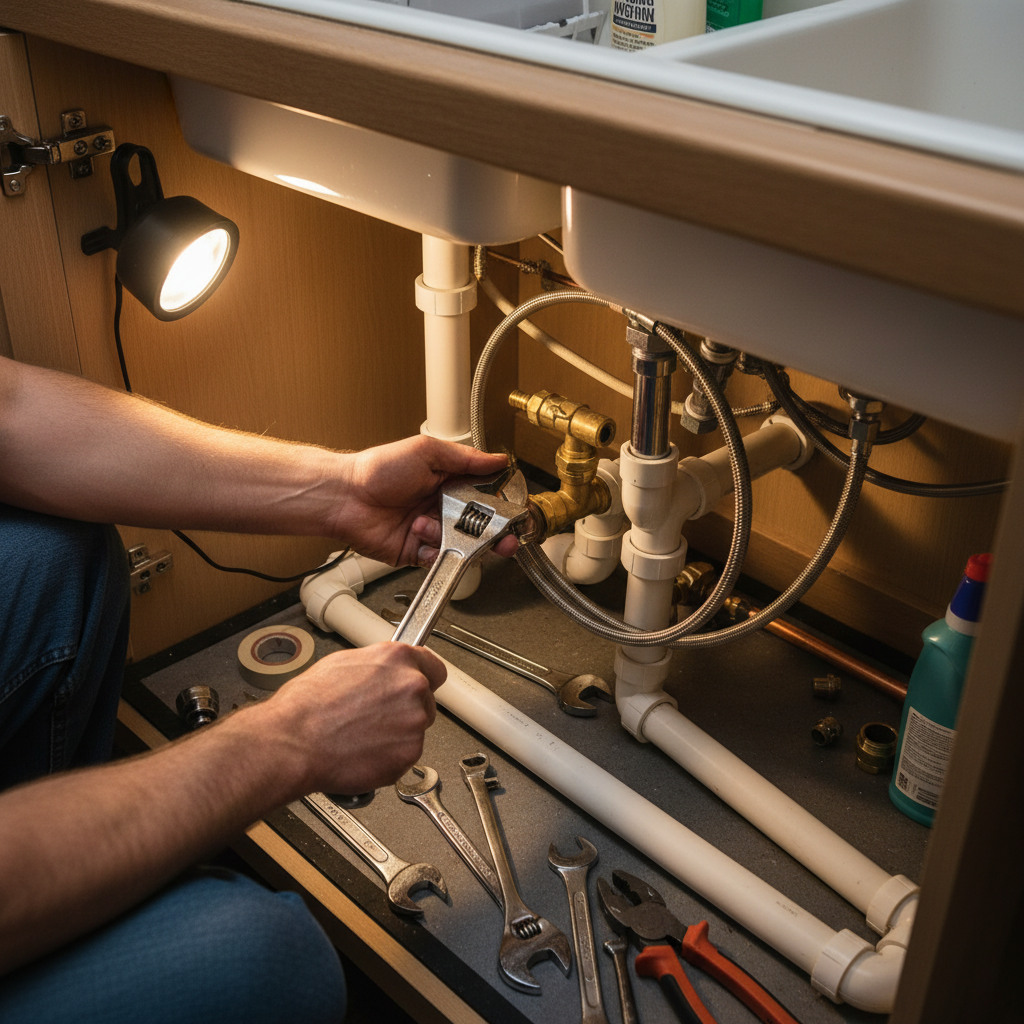
Professional plumbers have the training and experience to handle complex plumbing issues. They can quickly diagnose problems and implement solutions that prevent future issues. Hiring a pro ensures that repairs are done safely and effectively.
Preventive Plumbing Tips
Regular maintenance can help you avoid many common plumbing problems. Here are a few preventive measures:
- Regularly check for leaks under sinks and around appliances.
- Clean drains monthly to prevent clogs.
- Inspect your water heater annually for signs of wear or leaks.
By staying proactive, you can minimize the risk of unexpected plumbing emergencies.